Blue Heron Embroidery Design Review for Apparel
As an experienced embroidery designer who has spent years curating collections for boutique apparel, I approach every new machine embroidery design with a critical eye. The goal is always to find patterns that elevate a simple garment into a statement piece without compromising the integrity of the fabric or the finish of the stitch. Recently, I discovered the Blue Heron design on Creative Fabrica, and it immediately caught my attention for its potential in nature-themed collections. This review explores how this specific Birds category design performs when translated from a digital file to physical custom apparel.
First Impressions: Visual Personality and Stitching Mood
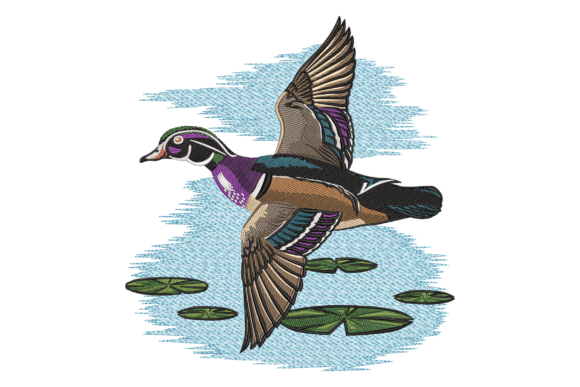
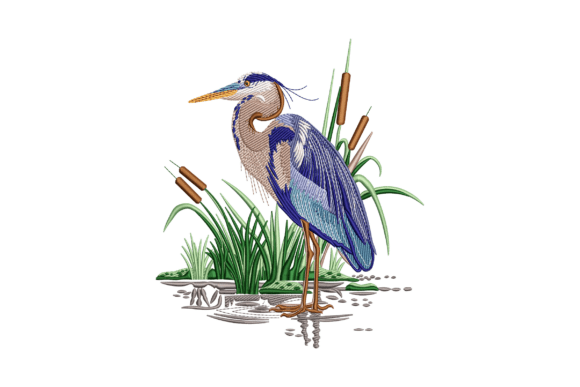
When I first loaded the Blue Heron embroidery file onto my digitizing software, the visual personality was strikingly elegant. Unlike many wildlife designs that lean toward cartoonish or overly complex detailing, this pattern strikes a balance between realism and stylized artistry. The lines suggest movement and grace, capturing the essence of the bird in flight or standing tall. For a boutique brand aiming for a premium, rustic, or bohemian aesthetic, this design offers a sophisticated alternative to generic graphics.
The stitching mood feels organic yet precise. It does not appear to be a dense, heavy block of thread that might stiffen a lightweight t-shirt. Instead, the structure suggests a flow that would complement the natural drape of fabrics like fleece, cotton blends, and denim. Whether you are looking for a minimal accent or a bold chest graphic, the Blue Heron carries a decorative strength that commands attention without overwhelming the garment.
Performance on Sweatshirts and Hoodies
One of my primary use cases for new designs is testing them on sweatshirt embroidery projects. The Blue Heron is particularly well-suited for hoodie designs, especially when placed on the chest or as a back print. On a neutral heather grey or oatmeal-colored sweatshirt, the intricate details of the heron's wings and neck can pop beautifully, provided the right thread colors are selected.
I envision this design working exceptionally well on oversized garments where there is ample room for placement. A large-scale application on the back of a pastel hoodie could create a stunning focal point for a seasonal collection. However, for sleeve accents, one must consider the scale. If the design is too small, the fine details of the bird might get lost in the texture of the ribbed cuffs or the stretch of the fabric. Always test the hoop size relative to the sleeve circumference before committing to production.
Versatility Across Custom Apparel
Beyond hoodies, the versatility of the Blue Heron extends to various custom apparel items. On dark apparel, such as charcoal or navy sweatshirts, the contrast becomes key. Using lighter thread colors for the body of the bird against the dark background creates a dramatic effect that appeals to nature lovers and outdoor enthusiasts. Conversely, on light t-shirts, darker threads will define the silhouette clearly.
This machine embroidery design also translates perfectly to tote bags and jackets. The sturdy nature of canvas totes handles the stitch density well, making the finished product durable and professional. For denim jackets, the rugged texture of the denim pairs naturally with the organic lines of the heron, creating a timeless look that fits both streetwear and casual chic styles. As an Etsy seller or small shop product owner, having a design that works across multiple SKUs—from cozy seasonal outfits to everyday carryalls—maximizes your inventory efficiency.
Strategic Placement and Fabric Considerations
While the design is robust, there are areas where careful consideration is required. Small chest placements should be approached with caution; if the design is scaled down too much, the delicate features of the bird may lose definition. Similarly, on stretchy fabric or highly textured fleece, the stabilizer choice becomes critical. Without adequate backing, the tension of the stitches could cause puckering, ruining the premium feel of the boutique brand.
Curved surfaces, such as the shoulders of a hoodie or the side seams of a tote bag, require precise hooping to ensure the design lays flat. Tiny lettering often accompanies these types of designs, but if you plan to add text, ensure it complements the Blue Heron rather than competing with it. Areas prone to wrinkling or stretching during wear should avoid high-density stitch zones to prevent cracking or distortion over time.
Elevating Brand Identity and Product Value
Incorporating a high-quality digital embroidery file like Blue Heron can significantly affect apparel value and buyer trust. Customers shopping for handmade products or boutique merchandise expect a level of detail that mass-produced prints cannot match. The tactile quality of thread on fabric adds a sensory dimension to the customer experience, enhancing product recognition and visual consistency across your catalog.
For creative entrepreneurs building a lifestyle brand, using cohesive themes like Birds and nature helps establish a strong identity. When customers see the Blue Heron on a sweatshirt, a tote, and a hat, they begin to associate that imagery with your specific brand voice. This consistency fosters customer engagement and encourages repeat purchases. Furthermore, professional presentation in your printable mockups and social media graphics relies heavily on the clarity of the design itself. A sharp, well-executed embroidery file ensures your online listings look as good as the physical item.
Practical Designer Notes for Production
Before launching a full run of commercial embroidery products featuring the Blue Heron, I recommend following a strict testing protocol. First, always test on scrap fabric similar to your final garment material. Check the stabilizer choice to ensure it supports the weight of the design without adding bulk. Review thread color contrast under different lighting conditions to guarantee visibility.
Confirm the hoop size required for the design matches your machine capabilities and the area of the garment you intend to embroider. Inspect the stitch density closely; if it appears too tight, it may require adjustments to prevent fabric distortion. Compare placement options on actual samples to visualize how the design interacts with pockets, seams, and zippers.
Finally, always check Creative Fabrica product details and licensing before selling finished apparel. Ensure you have the appropriate license for commercial use if you plan to sell the embroidered goods. While the description highlights its suitability for jackets and home decor, verifying the specific file formats and compatibility with your embroidery machine is essential. By taking these steps, you ensure that the Blue Heron becomes a standout asset in your collection, delivering a finished product that meets the high standards of discerning buyers.