Crazy Chicken Embroidery Design Review
As a designer who has spent years testing machine embroidery designs for both personal craft projects and commercial product lines, I approach every new file with a mix of excitement and skepticism. The market is flooded with generic Birds motifs, but finding a piece that balances character with technical reliability is rare. That brings me to the Crazy Chicken embroidery design. Before I recommend this to my clients or feature it in my small shop's upcoming holiday collection, I need to know if it holds up under the pressure of real-world stitching.
First Impressions: Character Meets Function
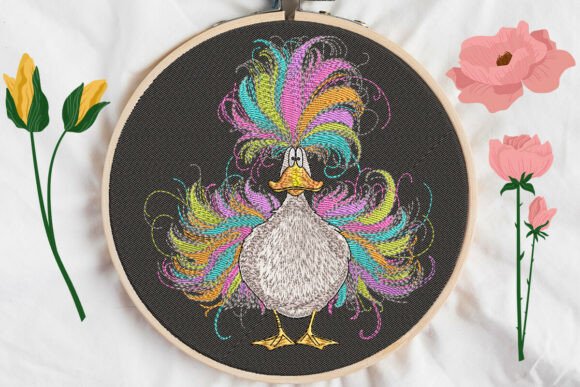
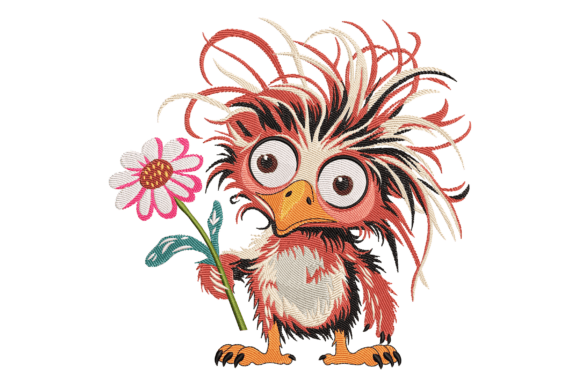
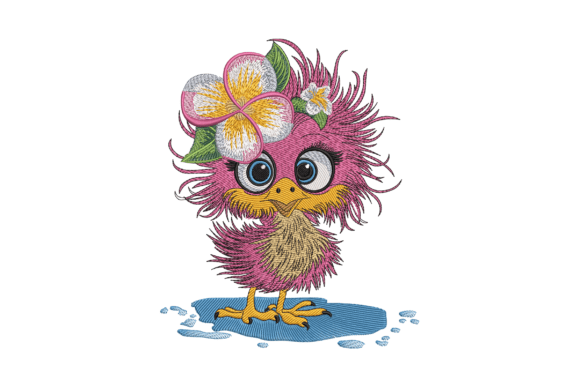
When you first load the Crazy Chicken digital embroidery file into your software, the visual personality jumps out immediately. This isn't a stiff, realistic rooster; it is a stylized, whimsical character that exudes charm. The layout suggests a fun, slightly chaotic energy, which is exactly what makes it stand out in a sea of traditional farm animal motifs. For a crafter looking to add a touch of humor to their home decor or apparel, this design hits the right emotional note.
The shape is bold enough to be recognized from a distance, yet the details are intricate enough to reward a closer look. In terms of Embroidery aesthetics, it feels like a modern take on a classic theme. It screams "fun," making it an ideal candidate for items that need a bit of personality, such as kitchen towels, nursery accents, or playful tote bags. However, the true test of any design is not how it looks on a screen, but how it translates to thread and fabric.
A Real-World Test: The Custom Tote Bag Scenario
To truly evaluate the Crazy Chicken, I imagined a specific project: creating a line of custom embroidered tote bags for a local boutique. These bags will be made of heavy canvas, a fabric known for its texture and durability. The goal is to create a finished product that feels high-end and handmade, something an Etsy seller could confidently price at a premium.
In this scenario, the design needs to stitch cleanly without puckering the thick canvas. The Crazy Chicken appears to have a balanced distribution of fill stitch and satin stitch. The fill areas provide the bulk of the color, while the satin edges define the shape. If the stitch density is too high, the canvas might pucker around the chicken's body. If it is too low, the design will look sparse and cheap. Based on the visual weight of the design, I would anticipate needing a strong cutaway stabilizer to ensure the stitches lay flat against the textured fabric.
Furthermore, the color palette matters. On a natural beige tote bag, the bright thread colors often used for this type of design would pop beautifully, drawing immediate attention. This level of visual appeal directly impacts customer trust. When a buyer sees a crisp, well-defined embroidered patch or applique-like design on a sturdy bag, they perceive higher value. They aren't just buying a bag; they are buying a piece of art. The Crazy Chicken has the potential to elevate a simple commodity into a memorable gift.
Where the Design Shines: Best Use Cases
This design is particularly versatile for several key categories. First, it is perfect for custom apparel. Imagine the Crazy Chicken stitched onto the chest of a crewneck sweatshirt or the back of a t-shirt. The whimsical nature of the bird makes it suitable for all ages, from toddlers to adults who appreciate quirky fashion. It works exceptionally well as a personalized gift for birthdays or holidays, adding a unique touch that mass-produced clothing lacks.
Secondly, the design fits naturally into home decor. Stitching it onto pillow covers, aprons, or tea towels adds a layer of warmth and humor to a kitchen or living space. For a craft business owner, these items are staples. A set of matching kitchen towels featuring this design could become a bestseller during the spring or summer seasons. The design also lends itself well to baby embroidery projects, such as onesies or bibs, provided the thread count and density are adjusted to keep the fabric soft and safe for sensitive skin.
For those selling digital product assets or printable mockups, the Crazy Chicken offers a strong visual hook. Its distinct silhouette makes it easy to showcase in marketing materials, helping to drive engagement and sales for your own brand.
Cautionary Notes: Where to Be Careful
Despite its charm, the Crazy Chicken requires careful consideration in certain situations. One major concern is using it on stretchy fabrics like jersey knit or spandex. Without proper stabilization and potentially adjusting the hoop size, the tension of the stitches could distort the design or cause the fabric to warp. Similarly, on very thin fabrics, the density of the machine embroidery design might show through to the other side, ruining the professional finish.
Dark fabrics present another challenge. While the design looks great on light backgrounds, stitching it on black or navy blue material requires significant planning regarding thread colors. You may need to use a backing sheet or adjust the sequence to ensure visibility. Additionally, curved surfaces like caps can be tricky. If the design is wide, it may not conform well to the curve of a hat panel, leading to registration issues where the stitches don't align perfectly.
Another point of caution involves detailed corners and tiny lettering. If the Crazy Chicken includes fine details, they may get lost if the embroidery file is scaled down too much. Always check the minimum recommended size before attempting to stitch on small items like keychains or small patches. Finally, for products that require frequent washing, such as baby clothes or dish towels, ensure the thread quality is high-grade to prevent fraying over time.
Practical Designer Notes for Success
If you decide to incorporate the Crazy Chicken into your workflow, follow these practical steps to ensure a flawless result:
- Test on Scrap Fabric: Never skip this step. Run a test stitch on the exact fabric you plan to use. This allows you to check for puckering, thread breaks, or density issues.
- Check Thread Contrast: Ensure your chosen thread colors stand out against the background fabric. Low contrast can make even the best design look muddy.
- Verify Hoop Size: Confirm that the design fits comfortably within your hoop without crowding the edges, which can lead to uneven tension.
- Inspect Small Details: Zoom in on the preview to see if any tiny elements might disappear after stitching. Adjustments may be needed.
- Use Proper Stabilizer: Invest in a good quality stabilizer. It is the foundation of a professional-looking finished product.
- Review Licensing: Before selling any handmade product or commercial embroidery item featuring this design, confirm the licensing terms. Ensure you have the right to sell physical goods or digital files containing the artwork.
- Mockup Testing: Create printable mockups in both black and white and full color to visualize how the design will appear in different contexts.
Final Verdict
The Crazy Chicken embroidery design is a delightful addition to any designer's library. It offers a perfect blend of whimsy and practicality, making it suitable for a wide range of applications from holiday embroidery gifts to small shop merchandise. While it requires attention to detail regarding fabric choice and stabilization, the end result is a charming, eye-catching piece that customers will love.
For the serious maker or business owner, this design represents more than just a pattern; it is an opportunity to inject personality into your brand. Whether you are creating a one-off personalized gift or scaling up for a boutique collection, the Crazy Chicken has the potential to become a signature element in your portfolio. Just remember to test thoroughly, respect the licensing, and let the creativity flow.