Fairy with Flower: A Business Design Review
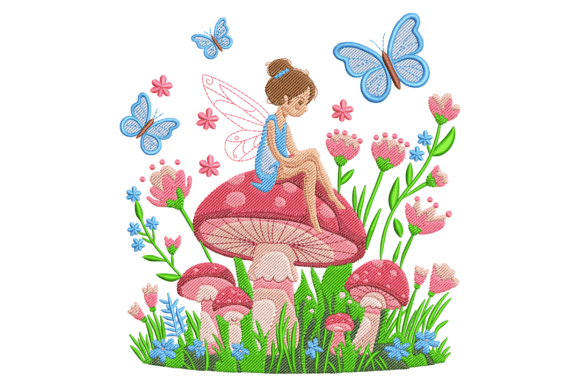
As an embroidery designer who has spent years translating digital files into tangible brand assets, I approach every new design with a critical eye. We are not just looking for pretty pictures; we are hunting for commercial viability. Today, I am reviewing the Fairy with Flower, a machine embroidery design described as a graceful fairy holding a delicate bloom. On the surface, this sounds like a whimsical addition to a nursery project or a personal hobby. However, when you strip away the decorative fluff and look at it through the lens of small business merchandising, branded patches, and custom apparel, a different story emerges. Does this design hold up under the scrutiny of professional production?
The First Impression: Whimsy Meets Professionalism
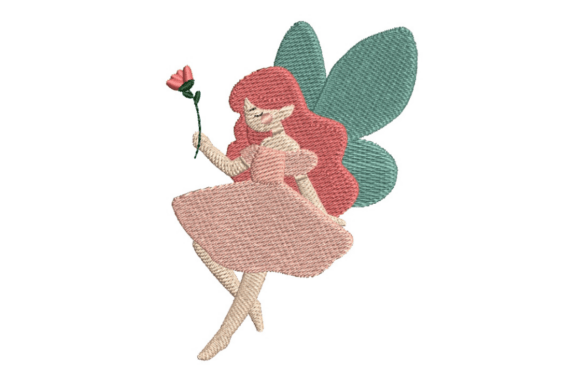
When I first loaded the Fairy with Flower into my digitizing software, the immediate visual impact was one of elegance and softness. The description promises a "graceful" figure, and the silhouette reflects that. For businesses operating in the Fairy Tales category—think children's boutiques, fantasy-themed cafes, or high-end handmade soap brands—this design offers a level of sophistication that generic clip art often lacks. It feels less like a cartoon and more like a classic illustration, which is crucial for establishing a premium brand identity.
However, the "delicate bloom" mentioned in the product details raises an immediate red flag for mass production. Delicacy in embroidery often translates to fine lines and intricate details that can get lost if the stitch density is not perfectly managed. For a small business owner, the question isn't just "does it look good?" but "will it survive the wash cycle on a staff apron?" The initial impression is one of high potential, provided the execution respects the limitations of thread and fabric.
Evaluating Real-World Business Applications
To truly understand the value of the Fairy with Flower, we must move beyond the screen and imagine it on actual merchandise. Here is how this design performs across various commercial use cases:
- Branded Patches and Caps: This is where the design shines brightest. As an embroidered patch, the Fairy with Flower can serve as a distinct logo accent on denim jackets, tote bags, or the back of caps. The organic shape of the fairy and flower allows for a unique patch outline, breaking away from the standard square or circle shapes that dominate the market. For a boutique clothing line, this creates a memorable visual signature.
- Staff Uniforms and Aprons: For a bakery, florist, or creative studio, placing this design on the chest pocket of an apron or work shirt adds a touch of magic to the customer experience. It signals that the business values creativity and attention to detail. However, the placement matters. On a dark uniform, the light thread colors needed for a fairy might require extensive underlay to prevent show-through, increasing cost and time.
- Tote Bags and Event Merch: A tote bag design featuring the Fairy with Flower works exceptionally well for events, workshops, or as a thank-you gift for loyal customers. The larger surface area of a tote bag allows the intricate details of the bloom to breathe, ensuring the finished product looks crisp rather than muddy.
- Product Packaging Accents: While less common, using this digital embroidery file to create fabric labels or tags for handmade products (like soaps, candles, or baby clothes) elevates the perceived value of the item instantly. It transforms a simple tag into a piece of art.
Critical Considerations for Production
Despite its aesthetic appeal, there are specific scenarios where the Fairy with Flower requires careful handling. As a designer, I advise against using this specific motif for tiny lettering applications or extremely small cap fronts. The delicate nature of the flower petals means that if the hoop size is too small, the stitches may become too dense, leading to puckering on the fabric texture.
Furthermore, high stitch density is a double-edged sword. While it creates a smooth, satin-like finish, it can make the fabric stiff. If you are applying this to a lightweight cotton tee or a thin silk blend, the weight of the thread could distort the garment. Always test the design on the exact fabric you intend to use before committing to a bulk run. Additionally, on textured fabrics like fleece or heavy canvas, the fine details of the fairy's wings might get lost in the nap of the material. In these cases, simplifying the design or opting for a larger scale is essential.
Impact on Brand Identity and Customer Trust
Choosing the right embroidery design is a strategic decision that affects your brand identity. The Fairy with Flower communicates a specific message: enchantment, care, and craftsmanship. For a small business selling handmade goods, this aligns perfectly with the narrative of artisanal quality. When a customer sees a professionally embroidered patch on a product, their trust in the brand increases. They perceive the business as established and detail-oriented.
Conversely, if the design is poorly executed—threads fraying, colors bleeding, or the image distorting—it can damage that trust instantly. Consistency is key. Using this design asset across multiple items, from staff uniforms to customer giveaways, creates a cohesive visual language. It turns random merchandise into a recognizable brand ecosystem. The magical theme inherent in the Fairy Tales category also fosters emotional engagement, making customers more likely to share photos of your products on social media.
Practical Designer Notes for Implementation
If you are ready to integrate the Fairy with Flower into your commercial embroidery projects, follow these professional guidelines to ensure success:
- Test in Black and White: Before purchasing expensive threads, print a grayscale version of the design to check contrast and spacing. Ensure the fairy stands out clearly from the background.
- Verify File Formats: The product description mentions multiple embroidery file formats. Confirm that the specific format matches your machine model. A mismatch here can lead to wasted time and materials.
- Check Stitch Density and Hoop Size: Load the file into your machine and inspect the stitch count. If the density seems too high for delicate areas, you may need to adjust the settings manually. Always confirm the design fits within your available hoop size without distortion.
- Use Proper Stabilizer: Do not skimp on stabilizers. For a design with fine details like this, a cut-away stabilizer is often necessary to support the fabric during stitching and maintain the integrity of the finished product after washing.
- Create a Printable Mockup: Before sending the design to production, create a mockup on a sample garment. Show this to your client or stakeholders for approval. This step prevents costly rework later.
- Confirm Commercial Licensing: This is non-negotiable. Ensure you have the rights to use this digital embroidery file for commercial purposes. Many designs are sold for personal use only. Check the license terms carefully before using it on small business merch or for sale.
Final Verdict
The Fairy with Flower is a versatile and charming addition to any embroidery library, provided it is used with intention. It excels as a statement piece on patches, tote bags, and branding accents for businesses that want to convey a sense of wonder and quality. By respecting the technical requirements of the design—managing stitch density, choosing the right fabric, and securing proper licensing—you can turn this magical motif into a powerful tool for your brand. For the savvy small business owner, it is not just a picture; it is an investment in visual storytelling.