Havanese Dog Embroidery Design Review
As a designer who has spent years testing machine embroidery designs for both personal projects and client orders, I know that the difference between a good design and a great one often lies in how it translates from the screen to the fabric. When I first loaded the Havanese Dog file into my software, I was looking for more than just a cute silhouette. I needed to understand its structural integrity, stitch density, and versatility for real-world applications. This is not just another generic animal motif; it carries a specific visual weight that demands careful placement.
First Impressions: Charm Meets Structure
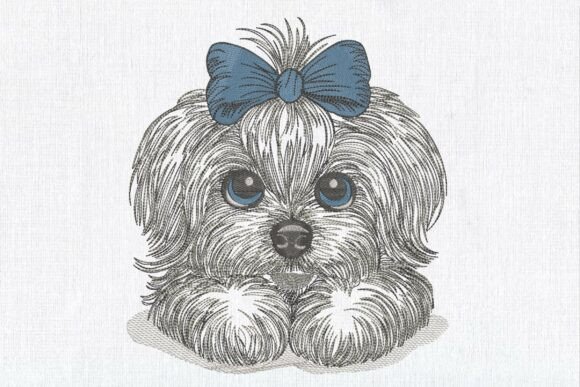
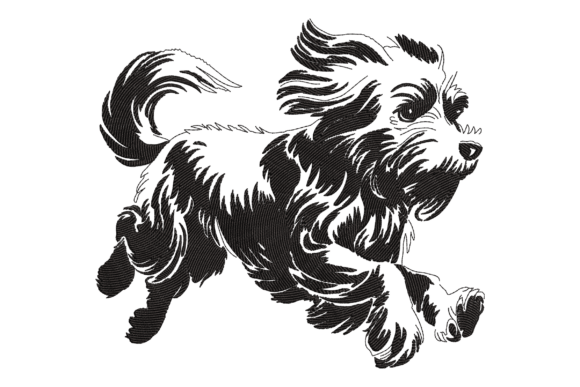
The initial visual impact of the Havanese Dog design is immediate. It captures the breed's signature fluffy coat and expressive face with a balance of detail that feels playful rather than cluttered. The layout suggests a fun and quirky accent, which aligns perfectly with the description of adding charm to fabrics. However, as a professional reviewer, my eye immediately goes to the line work and fill areas. The design utilizes a mix of satin stitches for definition and fill stitches for the body, creating a texture that mimics the softness of the dog's fur without overwhelming the fabric.
For those of us running a craft business or selling on Etsy, this kind of visual personality is crucial. A finished product featuring this design needs to look intentional. The shape is compact enough to fit on smaller items but detailed enough to stand out on larger surfaces. It avoids the common pitfall of many digital embroidery files where the details get lost in translation, resulting in a muddy patch. Instead, the Havanese Dog maintains clarity, making it a strong candidate for high-quality handmade products.
Real-World Application: From Tote Bags to Sweatshirts
To truly evaluate this machine embroidery design, I imagined preparing a custom embroidered tote bag for a local boutique client. The client wanted something that felt approachable yet premium. Placing the Havanese Dog on a sturdy canvas tote bag works beautifully because the fabric provides a stable base for the stitches. The design pops against natural tones, and the "cool" factor mentioned in the product description translates well into a trendy accessory for dog lovers.
I also considered using this for sweatshirt embroidery. On a heavy cotton blend, the design holds up exceptionally well. The stitch density appears balanced, meaning it won't pucker the fabric if you use the correct stabilizer. For an apparel decorator, this is a green light for small batch production. Whether you are creating personalized gifts for a holiday party or stocking your shop with seasonal merchandise, this design fits seamlessly into a collection of custom apparel. It is equally effective as a baby embroidery project, perhaps on a onesie or a nursery pillow cover, provided the thread colors are soft and non-toxic.
Another excellent use case is the embroidered patch. If you are a maker who sells patches for hats or jackets, the Havanese Dog offers clean edges and a defined perimeter. This makes it easy to cut out and apply later, giving you flexibility in your workflow. For a small shop product like a kitchen towel or an apron, the design adds a whimsical touch that customers love. It transforms a utilitarian item into a conversation starter, increasing the perceived value of the finished product.
Strategic Placement and Fabric Considerations
While the Havanese Dog is versatile, there are scenarios where caution is required. If you are working with thin fabric or highly textured materials, the stitch density could become an issue. Always test the design on scrap fabric first. Dense stitch areas can cause puckering on lightweight tees, so using a tear-away or cut-away stabilizer is essential. Similarly, on stretchy fabric like jersey knit, you must ensure the design is hooped tightly to prevent distortion during stitching.
Curved surfaces, such as caps, present another challenge. While the design is adaptable, the intricate details of the dog's face might flatten slightly on a curved brim. In these cases, simplifying the color palette or adjusting the hoop size might be necessary. Dark fabrics require special attention regarding thread contrast. The design looks best when the thread colors pop against the background, so reviewing your thread colors before committing to a large run is a smart move. If you plan to use this for commercial embroidery, ensure the colors remain vibrant after multiple washes.
Impact on Brand and Customer Trust
For an Etsy seller or a creative entrepreneur, the quality of your design assets directly impacts buyer engagement and trust. A poorly stitched logo or motif can ruin a brand's reputation. The Havanese Dog design, when executed correctly, enhances the handmade presentation of your work. It signals professionalism and attention to detail. Customers buying personalized products expect a level of craftsmanship that matches the price point. This design delivers that expectation by offering clear lines and a polished look.
In the context of holiday embroidery or wedding gifts, the emotional connection matters. A well-executed Havanese Dog on a blanket or a decorative pillow becomes a cherished keepsake. It shows that the maker took the time to select a design that resonates with the recipient. This emotional resonance drives repeat business and positive reviews. Furthermore, for digital product sellers offering printable mockups, this design serves as a reliable asset to showcase potential outcomes to clients.
Practical Designer Notes for Success
Before integrating the Havanese Dog into your next project, follow these practical steps:
- Test on Scrap Fabric: Never skip this step. Stitch a sample to check for tension issues, thread breaks, or unwanted puckering.
- Check Thread Color Contrast: Ensure the design stands out against your chosen fabric. Test it in black and white mockups to visualize the contrast levels.
- Review Stitch Density: If the design seems too dense for your fabric, consider reducing the number of rows in the fill stitch area.
- Confirm Hoop Size: Verify that your machine's hoop accommodates the full dimensions of the design without cutting off any details.
- Inspect Small Details: Zoom in on the eyes and nose of the dog to ensure they stitch cleanly. Tiny lettering or fine lines can sometimes get lost.
- Use Proper Stabilizer: Match the stabilizer type to the fabric weight. Heavy fabrics need heavier support.
- Verify Licensing: If you plan to sell finished items or the digital embroidery file itself, confirm the licensing terms. Ensure you have the right to use it for commercial embroidery projects.
Ultimately, the Havanese Dog embroidery design is a solid addition to any designer's library. It balances charm with technical reliability, making it suitable for everything from casual t-shirts to sophisticated home decor. By understanding its strengths and limitations, you can create high-quality, market-ready products that delight customers and strengthen your brand. Whether you are a hobbyist exploring new techniques or a seasoned pro scaling your business, this design offers a reliable foundation for creative expression.