Phoenix Design, 10 Formats: A Designer's Review
As a designer who has spent years curating machine embroidery designs for both personal projects and client work, I approach every new file with a mix of excitement and skepticism. The market is flooded with generic assets, but finding a machine embroidery design that truly balances artistic vision with technical reliability is rare. Recently, I loaded the Phoenix Design, 10 Formats into my workflow to test its viability for real-world applications. This piece promises a majestic phoenix symbolizing rebirth and strength, but does it hold up under the scrutiny of a professional hoop?
First Impressions: Majestic Symbolism Meets Practical Layout
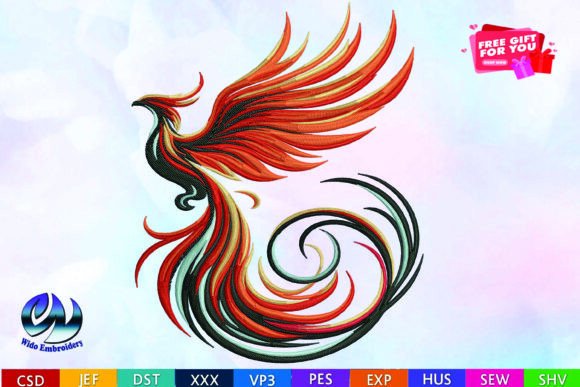
When you first preview the Phoenix Design, 10 Formats, the visual impact is immediate. The silhouette is bold, capturing the essence of the bird in flight without getting lost in unnecessary micro-details that often cause stitching issues. In the realm of Birds within Embroidery, many designs struggle to define wings against the fabric background. This file manages a strong contrast between the negative space and the stitch areas, which is crucial for maintaining clarity on finished products.
The mood it creates is one of empowerment and renewal. For a craft business owner looking to elevate their brand, this isn't just a decorative element; it's a statement piece. The layout feels balanced, suggesting that whether you are working on a large sweatshirt back or a smaller tote bag side panel, the proportions should remain intact. However, as with any complex animal motif, the success relies heavily on how well the stitch types are programmed. You want a blend of satin stitch for definition and fill stitch for coverage, ensuring the final result looks like art, not a tangled mess of thread.
Testing the Waters: A Real-World Sweatshirt Scenario
To truly evaluate the Phoenix Design, 10 Formats, I imagined a specific project: creating a limited run of custom apparel for a local boutique. The plan was to embroider this design onto heavyweight cotton fleece sweatshirts. This is a common request for small shop owners and Etsy sellers who want to offer high-quality, personalized gifts.
In this scenario, the texture of the fleece becomes a critical factor. Fleece has a nap that can sometimes swallow fine details. If the stitch density is too low, the fabric shows through, making the design look washed out. Conversely, if it is too dense, the fabric pucks, ruining the drape of the garment. My initial assessment suggests that this design requires a heavy-duty stabilizer. You cannot simply use a tear-away sheet here; a cut-away stabilizer is likely necessary to support the weight of the threads and keep the design flat against the stretchy material.
Imagine the customer receiving this finished product. They aren't just buying a sweatshirt; they are buying a story of resilience. The visual appeal directly impacts customer trust. If the embroidery is crisp, the edges clean, and the colors vibrant, the perceived value skyrockets. However, if the thread colors clash with the dark fabric or if the stitches pull, the item feels cheap. This is why testing the Phoenix Design, 10 Formats on a scrap piece of the exact same fleece is non-negotiable before committing to a full production run.
Navigating Fabric Challenges and Placement
While the design is versatile, there are specific situations where caution is required. One area of concern is using this embroidery file on thin or highly textured fabrics. On a delicate silk scarf or a loosely woven linen tea towel, the tension from the stitching could distort the fabric. Similarly, on very stretchy knits, the design might warp after the first wash unless the stabilizer choice is perfect.
Another consideration is the hoop size. Although the description mentions versatility, you must verify the actual dimensions against your machine's capabilities. If you are attempting to stitch this on a curved surface like a cap, the complexity of the wings might be compromised by the curve. Cap embroidery often requires specialized digitizing to account for the curvature, and a standard flat-file might not translate perfectly without adjustments.
For those creating an embroidered patch, this design shines. Patches allow for higher stitch density because the backing is rigid. An applique-style approach could also work wonders, layering felt under the stitched phoenix to give it depth. This technique adds a tactile quality that makes the handmade product stand out in a crowded marketplace. Whether it is for a holiday gift or a wedding favor, the ability to adapt the design to different substrates increases its utility for creative entrepreneurs.
Practical Notes for the Professional Maker
If you are planning to integrate the Phoenix Design, 10 Formats into your commercial embroidery projects, keep these practical notes in mind:
- Test First: Always run a test on scrap fabric that matches your final project material. Check for puckering and thread breakage.
- Color Contrast: Review the thread palette against light and dark backgrounds. A black phoenix on a navy shirt may lack visibility compared to gold on black.
- Stabilizer Strategy: Do not skimp on stabilization. For apparel, a cut-away is usually safer than a tear-away to prevent distortion over time.
- Licensing Check: Before selling finished items or digital mockups, confirm the licensing terms. Ensure you have the right to sell products made with this digital embroidery file.
- Mockup Verification: Create printable mockups to see how the design scales on different products like tote bags, aprons, or pillow covers before stitching.
Impact on Brand Consistency and Customer Engagement
For a small business owner, consistency is key. Using a reliable design like the Phoenix Design, 10 Formats helps maintain a cohesive look across your product line. When customers recognize the quality of your custom apparel, they return. The design acts as a signature, signaling professionalism and attention to detail.
Furthermore, the theme of rebirth resonates deeply with consumers. It fits perfectly into categories like baby embroidery (symbolizing new beginnings), wellness brands, or motivational merchandise. The emotional connection drives buyer engagement far more than a generic floral pattern ever could. By choosing a design with such strong symbolic weight, you are adding intangible value to your handmade product.
In conclusion, the Phoenix Design, 10 Formats offers a robust foundation for serious crafters and businesses. It is not merely a graphic to be stitched; it is a tool for storytelling. With proper preparation, the right stabilizers, and careful fabric selection, this machine embroidery design can transform simple garments into cherished keepsakes. As always, remember that the best results come from understanding your tools and materials, ensuring that the majestic vision of the phoenix translates flawlessly from screen to stitch.