Realistic Mouse: A Craft Fair Design Review
As an experienced embroidery designer who has spent countless weekends setting up booths at local craft fairs and managing a digital shop for handmade goods, I know that not every design translates well to a physical product. Today, I am reviewing the Realistic Mouse machine embroidery design. This piece falls under the Farm Animals category, but its execution demands a specific approach to truly shine in a competitive market. If you are an Etsy seller, a boutique maker, or a creative entrepreneur looking to expand your inventory with high-quality handmade products, this review will help you decide if this design is worth your production time.
First Impressions: Bold Contrast and Textural Depth
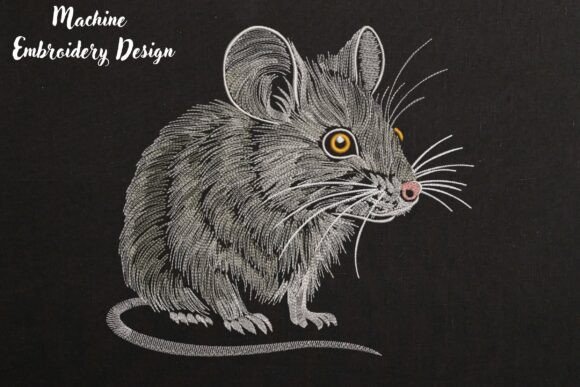
When I first opened the Realistic Mouse file, my immediate reaction was one of cautious optimism. The description explicitly states that this design is intended for black or other very dark fabrics. This is a critical constraint that actually becomes a selling point if managed correctly. In a sea of pastel aprons and white tote bags, a bold, dark-themed product can stop a customer in their tracks. The design features expressive eyes and fine fur texture, aiming for a premium, realistic look rather than a cartoonish aesthetic.
However, the prompt note "Embroidery is not full filling" suggests that the stitch density might be lower than expected for such a detailed subject, or perhaps it implies that the design relies heavily on the negative space of the fabric. For a craft fair product, this means the background fabric does the heavy lifting. The visual appeal comes from the contrast between the light thread colors used for the fur and the deep darkness of the material. It feels rustic yet modern, suitable for a farmhouse-style booth or a trendy urban pop-up shop.
Evaluating Product Applications for Maximum Sales
The success of any machine embroidery design depends on where it is placed. Let's break down how Realistic Mouse performs across various items you might sell at a weekend market.
Tote Bags and Market Bags
A black canvas tote bag is a classic craft fair product. Placing the Realistic Mouse on a large canvas allows the fine fur texture to breathe. However, because the design requires dark fabric, you must ensure the canvas is a true matte black. Shiny or textured blacks can obscure the delicate details of the mouse's face. This application works best as a statement piece, perhaps paired with a minimalist strap, appealing to customers looking for unique, edgy accessories.
Apron Embroidery and Tea Towels
Kitchen textiles are a staple for handmade shops. An apron embroidery featuring a realistic animal adds a touch of whimsy and sophistication. For tea towel embroidery, be wary of the fabric texture. Terry cloth towels have a looped surface that can distort small details. Since the Realistic Mouse relies on fine fur texture, a smooth cotton blend or linen tea towel on a dark background would yield a much higher quality finished product. The design stands out as a focal point, making the kitchenware feel more like art than utility.
Patches and Caps
Embroidered patch applications are excellent for batch production. Cutting the design out and backing it with felt creates a versatile item that customers can iron onto jackets or backpacks. For caps, the curved surface is a challenge. The expressive eyes of the mouse need to remain level; otherwise, the character loses its charm. Ensure the hoop size accommodates the cap curve without distorting the facial features. This is a great way to create small, giftable items that don't require a lot of fabric.
Pillow Covers and Fabric Pouches
Small pouches for cosmetics or jewelry are perfect for this design. The limited surface area forces the design to be the hero. On a pillow cover, the Realistic Mouse acts as a decorative accent. Because the design is meant for dark fabric, these pillows will add depth to a living room display, offering a sophisticated alternative to bright, floral patterns.
Practical Production Considerations for Sellers
Before you commit to a bulk run, you must address the practicalities of producing this digital embroidery file. The instruction to use only black or very dark fabric limits your color palette options but simplifies your inventory management. You do not need to stock multiple fabric colors, just high-quality darks.
Stitch Density and Detail: The description mentions "fine fur texture." In the world of commercial embroidery, fine detail often means high stitch counts. If the density is too low, the design may look sparse or unfinished, which contradicts the "realistic" promise. If the density is too high, the fabric may pucker, especially on thinner materials like tea towels. Always test the design on scrap fabric first. Check the thread contrast; if the thread is too dark against a black background, the mouse will disappear. You need vibrant whites, grays, and browns to make the fur pop.
Stabilizer Usage: Dark fabrics often require different stabilizers than light ones to prevent show-through and ensure the stitches lay flat. Use a cutaway stabilizer for stretchy fabrics like jersey or a tear-away for stable wovens. Without the right support, the intricate details of the mouse's eyes could get lost in a messy underlay.
Marketing and Visual Appeal
How does this design perform in photos? For an Etsy seller, photography is everything. The Realistic Mouse photographs beautifully on dark backgrounds because the lighting highlights the sheen of the thread against the matte fabric. When creating a printable mockup for your listings, ensure the lighting is soft to avoid harsh shadows that hide the texture. This design elevates the perceived value of your small shop product, allowing you to charge a premium price for what looks like custom work.
In a physical booth, this design draws attention through contrast. While many sellers offer bright, cheerful items, a collection of dark, moody, and realistic animal designs creates a distinct brand identity. It appeals to a niche audience that appreciates detail and craftsmanship. Customers notice the expressiveness of the eyes and the care taken in the stitching, leading to higher engagement and sales.
Final Designer Notes and Checklist
If you decide to move forward with the Realistic Mouse for your business, follow these steps to ensure success:
- Test Run: Never skip the test on scrap fabric. Verify that the fur texture is visible and the eyes are sharp.
- Check Licensing: Confirm your commercial licensing before selling finished products. Ensure you have the rights to sell items made with this embroidery file.
- Fabric Selection: Stick strictly to black or very dark fabrics as instructed. Experiment with charcoal, navy, or deep forest green to see which offers the best contrast.
- Hoop Size Verification: Measure the design against your hoop. If it is too close to the edge, the tension may cause distortion.
- Mockup Creation: Create at least one real physical sample to photograph for your online store. Real photos build trust better than digital renderings.
- Spacing: If combining this with text, ensure there is enough spacing so the lettering does not interfere with the fine details of the mouse.
The Realistic Mouse is a powerful tool for designers willing to embrace its constraints. By focusing on high-contrast applications and selecting the right substrates, you can turn this Embroidery design into a standout feature of your craft fair booth or online catalog. It offers a unique opportunity to sell sophisticated, detailed handmade products that stand apart from the generic crowd.