Be Kind to the Cook: A Designer's Review
As a professional embroidery designer who has spent years curating designs for both personal projects and commercial ventures, I approach every new machine embroidery design with a critical eye. The market is flooded with generic assets, so finding a piece that truly resonates with quality and usability is a priority. Recently, I evaluated the Be Kind to the Cook design from Creative Fabrica to determine its viability for real-world production. Whether you are an Etsy seller, a small business owner, or a crafter looking to expand your portfolio, understanding the practical application of this design is essential before you commit to stitching it on high-value items.
First Impressions and Visual Appeal
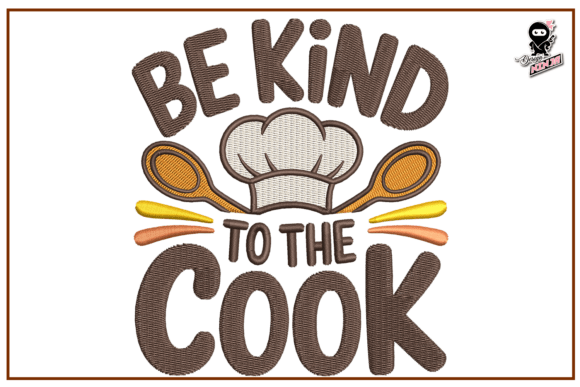
Upon opening the digital file, the first thing that strikes you about Be Kind to the Cook is its warm, inviting aesthetic. In the world of Kitchen decor and apparel, sentimentality sells. This design captures a playful yet respectful tone that appeals to home cooks, professional chefs, and anyone who appreciates the art of cooking. The visual mood is lighthearted, making it an excellent candidate for personalized gifts or boutique merchandise.
The detail level appears balanced, avoiding the trap of being either too sparse or overly complex. For those familiar with Embroidery, you know that intricate details can sometimes lead to registration issues or thread breakage. However, this design seems to strike a harmonious balance between text and decorative elements. The typography is legible, which is crucial for any design intended for custom apparel or tote bags. It does not rely on tiny, unreadable lettering that often plagues lower-quality embroidery files.
Performance in Real-World Projects
When considering how Be Kind to the Cook performs in actual stitching scenarios, several applications immediately come to mind. I visualized this design on a variety of substrates, ranging from heavy cotton canvas for tote bags to soft fleece for sweatshirts. The versatility of the layout suggests it would work beautifully as a central motif on a kitchen apron or as a subtle accent on a chef's hat.
For custom apparel, the design holds up well against the backdrop of dark fabrics, provided you choose contrasting thread colors. Imagine a navy blue sweatshirt with a cream-colored version of this phrase; the contrast creates a premium look that elevates the perceived value of the finished product. Similarly, on a white linen pillow cover, using earthy tones like sage green or terracotta could create a rustic, farmhouse-style aesthetic that is currently trending in home decor.
I also considered its use in creating an embroidered patch. Patches are a staple for many craft fair vendors and Etsy sellers because they allow for mass production with minimal setup time per unit. If the stitch density is appropriate, this design could be backed with iron-on adhesive and sold as a standalone accessory or used to repair worn-out denim jackets. The sentiment is universal enough to appeal to a broad audience, making it a safe bet for inventory planning.
Practical Considerations for Production
Before integrating Be Kind to the Cook into your workflow, there are several technical factors to consider. First and foremost, always test the design on scrap fabric that matches your final project material. Even if the preview looks perfect, different fabrics react uniquely to needle penetration and thread tension.
- Hoop Size Verification: Ensure the design fits within your standard hoop sizes. While the description mentions it is perfect for various projects, confirming the exact dimensions prevents wasted stabilizer and thread.
- Stabilizer Selection: For stretchy fabrics like sweatshirts or knit caps, a cut-away stabilizer is non-negotiable to prevent puckering. For structured items like tote bags, a tear-away may suffice.
- Thread Color Contrast: Pay close attention to the thread colors you select. On textured fabrics, low contrast can make the design disappear, while high contrast enhances readability and visual impact.
- Density Check: Inspect the fill stitch areas for potential gaps or excessive density. Overly dense areas can cause fabric distortion, especially on delicate materials like baby blankets or thin kitchen towels.
If you plan to use this on curved surfaces, such as a baseball cap, be prepared to adjust the tension and potentially reduce the speed of your machine. Curved embroidery requires precision to maintain the integrity of the satin stitch and running stitch elements that likely form the text.
Impact on Product Value and Branding
Incorporating a well-designed asset like Be Kind to the Cook can significantly affect the perceived value of your handmade products. Customers today seek authenticity and craftsmanship. A clean, well-executed digital embroidery file translates to a polished finished product that justifies a higher price point. When customers see a thoughtful message paired with high-quality stitching, their trust in your brand increases.
For Etsy sellers and boutique owners, consistency is key. Using designs that align with your brand voice helps build a cohesive catalog. If your shop focuses on kitchen-themed goods or heartfelt gifts, this design fits seamlessly into your existing narrative. It enhances the giftability of your items, making them perfect for holidays, birthdays, or housewarming presents.
Furthermore, the visual appeal of the design aids in product photography. A clear, readable message photographs well, allowing you to create compelling images for your online listings or social media marketing. High-quality photos drive customer engagement and can lead to increased sales without the need for expensive advertising campaigns.
Licensing and Commercial Use
One of the most critical aspects of using Creative Fabrica embroidery assets is understanding the licensing terms. As a professional, I always advise checking the specific license attached to the product page before selling finished items. While many designs offer commercial rights, some may have restrictions on the number of physical items you can produce or require attribution.
Ensure that the license covers your intended use, whether it is for commercial embroidery services, selling physical goods, or creating printable mockups for other designers. Misunderstanding these terms can lead to legal complications and damage your reputation. Always review the fine print regarding design assets to ensure compliance.
Final Thoughts for Crafters and Entrepreneurs
The Be Kind to the Cook design offers a solid foundation for a variety of creative projects. Its blend of sentiment and style makes it a versatile addition to any designer's library. However, success lies in the execution. By taking the time to test on appropriate fabrics, selecting the right stabilizers, and adhering to licensing guidelines, you can transform this machine embroidery design into a profitable and beloved product line.
Whether you are decorating a single apron for a friend or launching a new collection of custom apparel, this design has the potential to add a personal touch that resonates with buyers. As with any new asset, patience and attention to detail will yield the best results. I recommend downloading a sample, running a test stitch, and evaluating the outcome under your specific conditions before committing to large-scale production.