Funny Baking Duck: A Designer's Review for Merch
As a professional embroidery designer who has spent years refining brand identity through thread and fabric, I approach every new machine embroidery design with a critical eye. When evaluating assets for small business merchandise, the question is never just "does it look cute?" but rather "does it work in production?" Today, I am reviewing the Funny Baking Duck, a whimsical concept designed to spruce up fabrics for t-shirts, towels, and home decor. While the description promises a fun touch for personal items, my focus here is on its viability as a commercial asset for cafes, bakeries, boutique brands, and Etsy sellers looking to elevate their small business merch.
First Impressions: Playful Personality Meets Professional Use
The first thing that strikes me about the Funny Baking Duck is its inherent charm. In the world of Kitchen branding, where warmth and approachability are currency, this design hits the mark. It feels friendly, rustic, and distinctly handmade. For a local bakery or a creative studio selling aprons, this design immediately signals a brand that values personality over corporate sterility. However, when transitioning from a decorative home item to a branded uniform or product label, we must assess if the whimsy translates into trust.
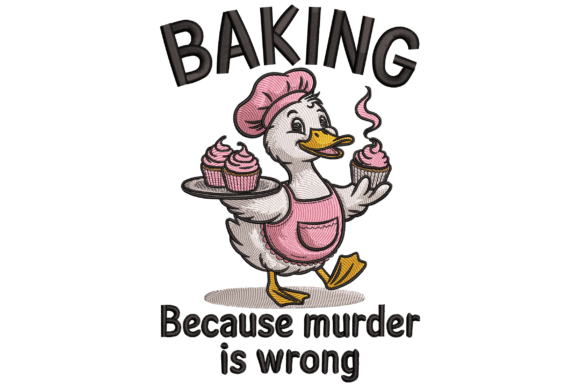
A successful embroidery file for business use must balance playfulness with clarity. The Funny Baking Duck appears to offer a strong visual anchor. If the duck is depicted holding a rolling pin or wearing a chef's hat, it creates an instant narrative. This narrative is powerful for customer engagement. When a client sees a tote bag or a staff shirt featuring this character, they aren't just seeing a logo; they are connecting with a story. This emotional connection is vital for handmade product lines where the perceived value often exceeds the material cost.
Strategic Applications for Small Business Merchandise
So, how does this design perform in real-world scenarios? Let's break down the potential applications for entrepreneurs and decorators.
- Staff Uniforms and Apron Embroidery: For a cozy café or a custom bakery, placing the Funny Baking Duck on the chest of a chef's jacket or the bib of an apron creates a cohesive team look. It humanizes the staff and makes the brand memorable. Unlike stiff text logos, a character design invites conversation.
- Custom Apparel and Tote Bags: The design is well-suited for tote bag design projects. Canvas totes are a staple for eco-conscious businesses, and a large, colorful print of the baking duck can turn a simple carrier into a walking billboard. The durability of Embroidery ensures the design survives repeated washes better than screen printing.
- Cap Embroidery: Hats are a high-visibility item for events and promotions. If the design allows for simplification, the Funny Baking Duck could serve as a great cap front accent. This requires careful consideration of size, as caps have limited surface area.
- Product Packaging Accents: Many artisanal brands now sew labels directly onto gift bags or fabric wraps. Using this design as a commercial embroidery patch on packaging adds a premium, tactile feel that elevates the unboxing experience.
- Event Merch and Customer Gifts: For pop-up markets or holiday sales, offering an embroidered patch version of the duck as a free gift with purchase can drive sales. Patches are versatile; customers can iron them onto denim jackets or backpacks, extending your brand reach organically.
Critical Considerations for Production and Quality
While the concept is strong, every digital embroidery file comes with technical challenges. As a designer, I advise caution in several areas before committing to bulk production.
Size and Detail Limitations
The Funny Baking Duck may feature intricate details like feathers, facial expressions, or baking tools. These elements can be problematic at small scales. If you attempt to shrink this design for a tiny cap embroidery placement or a small collar patch, the stitches may blur together, losing the definition of the duck's features. Always test the design at your intended size. If the stitch density becomes too high in small areas, the fabric may pucker, ruining the professional finish of the finished product.
Fabric Texture and Stabilizer Needs
This design is described as suitable for various fabrics, but not all materials are created equal. Textured fabrics like heavy canvas, fleece, or knit polos can distort the smooth lines of the duck. On dark uniforms, the contrast of the thread colors becomes critical. You will likely need a solid underlay to make the colors pop. Furthermore, using the correct stabilizer is non-negotiable. Without proper backing, the whimsical curves of the design could warp, making the brand look sloppy rather than charming.
Hoop Size and Placement
Before purchasing the embroidery file, confirm the required hoop size. Some complex designs require larger hoops that might not fit on certain garment sections, such as the sleeve of a fitted shirt or the curved brim of a cap. Planning your layout early prevents wasted time and thread during production runs.
Impact on Brand Identity and Commercial Viability
Ultimately, the decision to use the Funny Baking Duck hinges on your brand's voice. Does your business want to be seen as a playful, community-focused entity? If so, this design is a goldmine. It enhances buyer engagement by creating a mascot-like figure that customers can adopt as part of their own identity.
However, consistency is key. Ensure that the design assets align with your other branding elements. If your website uses sharp, modern typography, a soft, cartoonish duck might feel disjointed unless carefully integrated. Creating a printable mockup before production is essential. Show the design on actual photos of your products—aprons, shirts, and bags—to see if it complements your color palette and overall aesthetic.
Practical Steps for Designers and Business Owners
If you are ready to move forward with the Funny Baking Duck for your business, follow these steps to ensure success:
- Test in Black and White: Before selecting vibrant threads, run a test stitch in a single color. This reveals issues with spacing and density without wasting expensive thread.
- Verify Licensing: Check the license terms of the machine embroidery design. Ensure you have the right to use it for commercial embroidery purposes, especially if you plan to sell the finished goods.
- Inspect Spacing and Satin Stitches: Look closely at the digitizing. Are there tight satin stitches that might break on stretchy fabric? Adjust the settings if necessary.
- Create a Client Mockup: If you are a decorator working for a client, present a realistic mockup showing the design on the specific garment they intend to buy.
- Compare Assets: Place the Funny Baking Duck next to your existing logo or other design assets to ensure visual harmony.
In conclusion, the Funny Baking Duck offers a delightful opportunity for businesses in the culinary and lifestyle sectors to add a unique flair to their merchandise. With careful attention to stitch density, fabric choice, and licensing, this design can transform standard apparel into cherished brand ambassadors. Whether used as a bold statement on a tote bag or a subtle accent on a staff uniform, it brings the warmth of a homemade treat to the world of professional branding.